
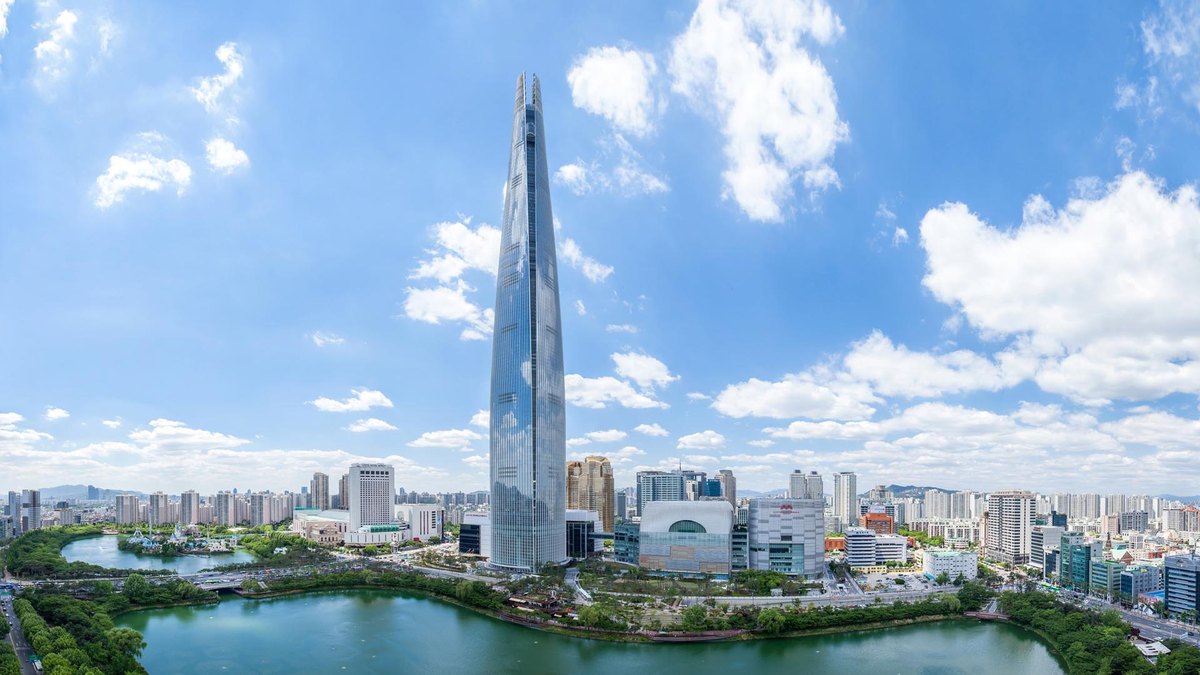
Korea luxury travel now sits alongside Dubai and Singapore on the shortlist of many families. Seoul offers Forbes Five-Star hotels and a three-star MICHELIN restaurant, while Busan and Jeju add sea-facing resorts and a slower pace. In this guide we cover where to stay, what to experience, when to go and what a luxury trip to Korea costs in 2026. We also cover the practical side for international travelers, from vegetarian dining to visas and flights, and how to add a health check-up to your vacation.
By Ethan Yoon, Founder of CareToKorea · Bengaluru · Last updated November 2026
In This Guide
Why Korea Luxury Travel Belongs on Your List
Korea has never been busier with international visitors. In 2025 the country welcomed more than 18.5 million of them, beating the previous record of 17.5 million set in 2019 (Ministry of Culture, Sports and Tourism, December 2025).
Visitor numbers alone do not make a luxury destination. Three things do:
- Hotels and dining judged by global standards. In 2026 The Shilla Seoul received its eighth consecutive Five-Star rating from Forbes Travel Guide, and Mingles remained Korea’s only three-star restaurant in the 2026 MICHELIN Guide.
- The luxury travel industry is paying attention. Virtuoso, the global network of luxury travel advisors, chose Seoul to host its 2026 Symposium, citing growing demand for luxury experiences.
- Everything in one trip. Royal palaces, hanok houses, K-beauty, spas and world-class hospital check-ups all sit within the same city.
Six Signature Experiences That Define Korea Luxury Travel
Korea luxury travel is less about gold faucets and more about access, privacy and time well spent. These six experiences show what a day can look like, and each one can be tailored to your family.
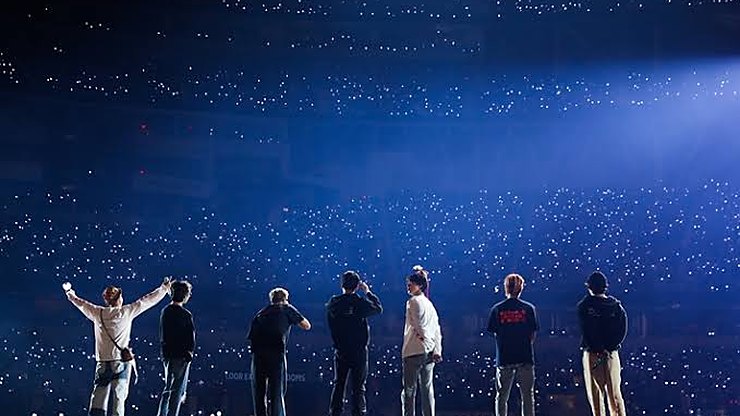
A K-pop Concert Night
Seoul hosts major K-pop concerts throughout the year, from global stars such as BTS to rising groups. We track official ticket releases, including VIP packages and foreigner allocations when they are offered, and arrange your transfers so the night runs smoothly. Seats depend on availability and are always bought at the official price.
Best for teenagers, young adults and K-pop fans. Allow an evening.
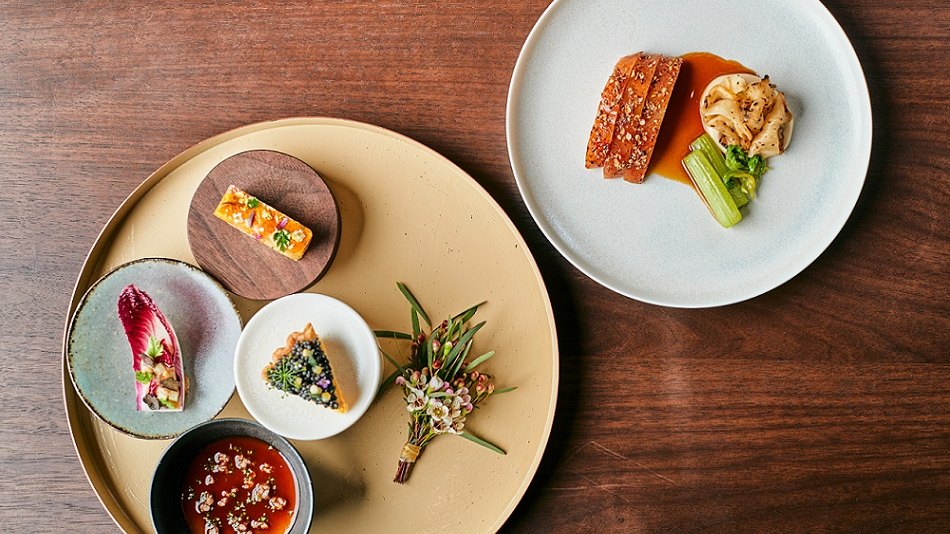
A Chef’s Table Evening
Book a counter seat or private room at one of Seoul’s MICHELIN-starred restaurants, with vegetarian menus arranged in advance. For vegetarian families, Légume offers a one-star vegan tasting menu.
Best for food lovers. Allow an evening.
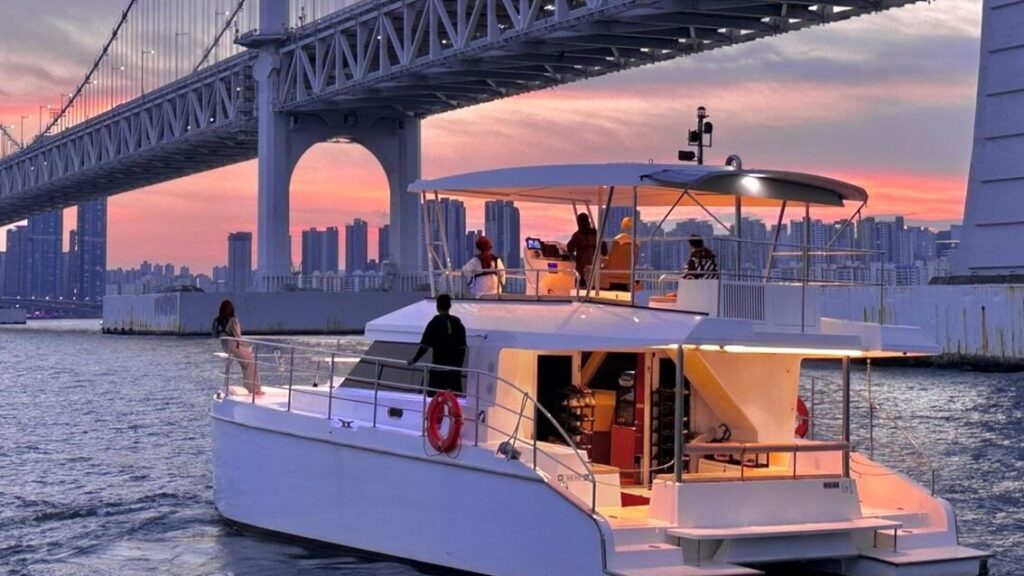
A Sunset Yacht in Busan or Seoul
Charter a private yacht off Haeundae in Busan or along Seoul’s Han River as the city lights come on. Mocktails, champagne and a light dinner can be arranged on board.
Best for couples and celebrations. Allow about two hours.
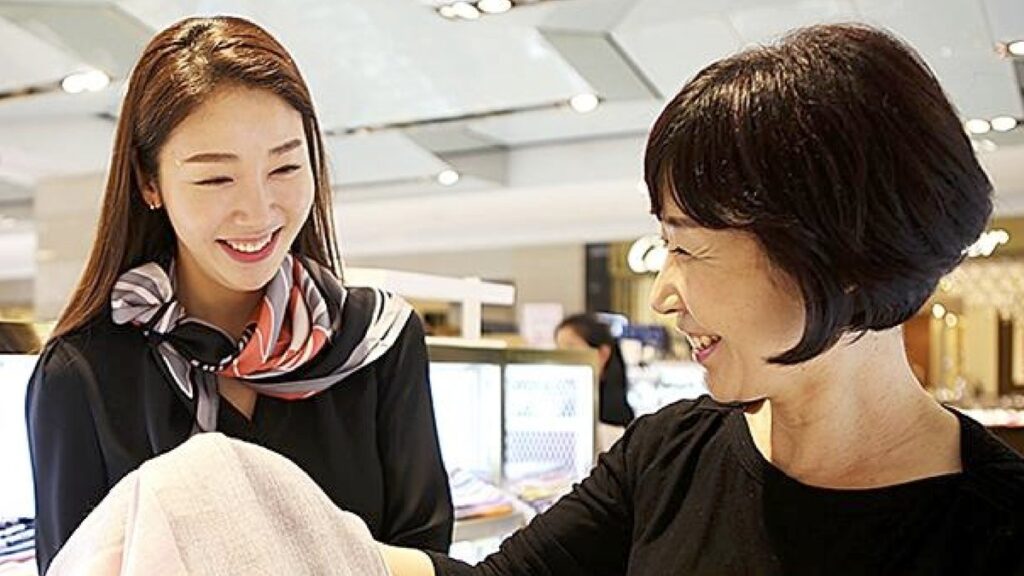
Your Own Stylist in Seoul
A local coordinator plans your look for each day of the trip, from hanbok for the palaces to evening wear for a MICHELIN dinner, and arranges rental outfits fitted on arrival. You pack light and still look ready for every photo.
Best for couples and photo-loving families. Allow a fitting on day one.
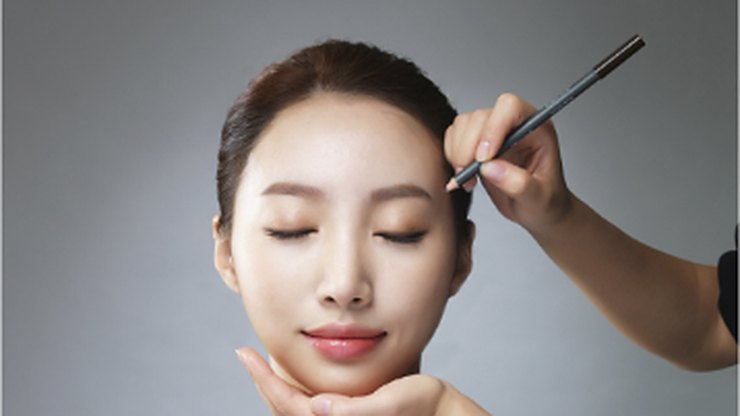
A K-Beauty Makeover
Start with a personal color analysis, then a professional hair and makeup session and a portrait shoot in a Seoul studio. We book artists who are experienced with your skin tone.
Best for friends, mothers and daughters. Allow half a day.
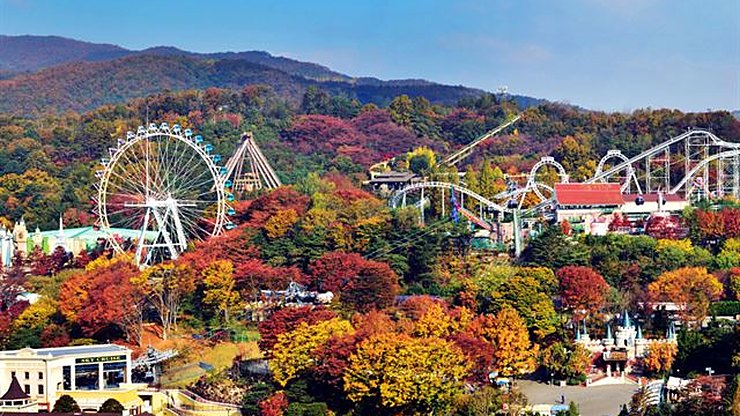
Fast-Track Theme Park Days
Skip the longest lines at Lotte World or Everland with paid fast-track passes, while your chauffeur handles the drive. Children get more rides, and parents get more rest.
Best for families with children. Allow a full day.
Questions to Ask Before You Compare Korea with Dubai, Singapore or Japan
When you compare destinations, look at how well each one fits your family before you look at hotel stars. Save this checklist and run every option through it:
- Can the restaurants handle your dietary needs at fine-dining level?
- Can you combine city life, nature and traditional culture in one trip?
- Are the hotels and restaurants rated by independent international guides?
- Are the flight time and time difference easy on grandparents and children?
- Can you fit in a health check-up or skin treatment along the way?
- Is there someone on the ground to handle language and bookings for you?
Korea has good answers to most of these questions. The last one is where CareToKorea comes in.
Where to Stay: Seoul, Busan and Jeju
Seoul
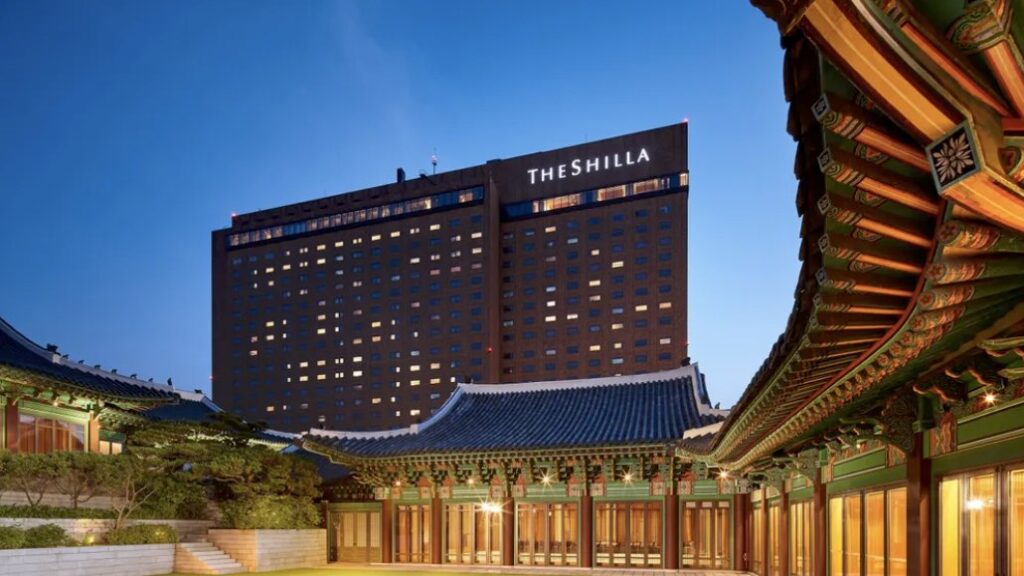
- The Shilla Seoul sits at the foot of Namsan. It has held a Forbes Five-Star rating for eight consecutive years and is one of only 51 hotels worldwide in Forbes Travel Guide’s top-tier Exclusive Group.
- Four Seasons Hotel Seoul stands in Gwanghwamun, close to the royal palaces. It is also a Forbes Five-Star hotel (2025 ratings), and its spa is recognized by the guide as well.
- Josun Palace and Park Hyatt Seoul are in Gangnam, close to the shopping streets and clinics. Both hold Forbes Four-Star ratings.
- Signiel Seoul occupies the upper floors of Lotte World Tower, with sweeping city views, and holds a Forbes Four-Star rating.
- L’Escape Hotel is a French-style boutique hotel steps from Myeongdong, part of Marriott’s Luxury Collection. Read our L’Escape Hotel Seoul review for rooms, breakfast and dining.
If palaces and heritage are your priority, stay around Gwanghwamun or Namsan. If shopping and beauty come first, choose Gangnam.
Busan
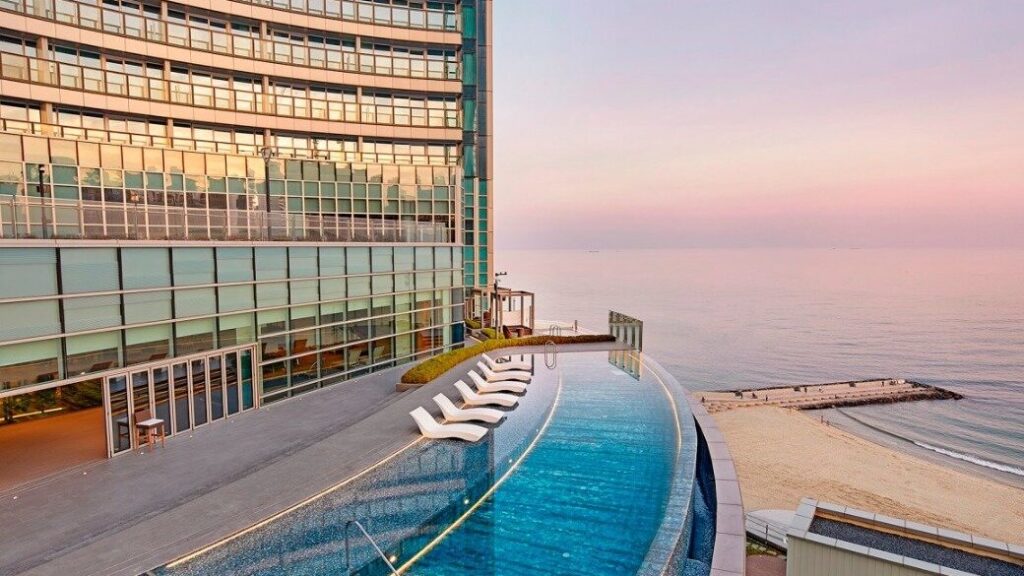
In Haeundae, Signiel Busan and Park Hyatt Busan offer sea-view rooms and a gentler pace than Seoul. Busan is an easy ride from the capital on the KTX high-speed train.
Jeju
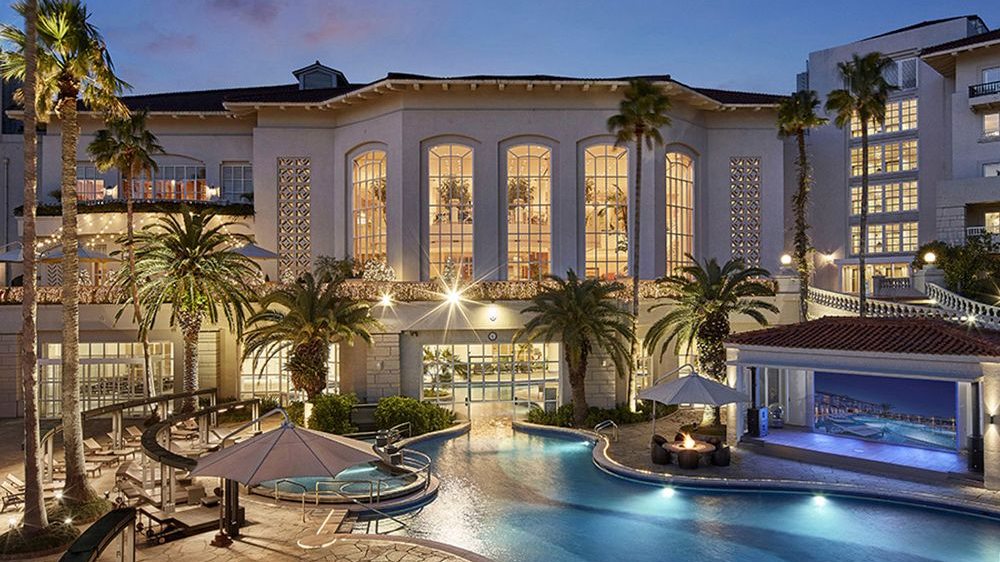
On Jeju Island, resorts such as The Shilla Jeju and Grand Hyatt Jeju, along with private pool villas, are especially well suited to three-generation family trips.
What to Experience
Dine: Michelin Dining in Seoul
Seoul and Busan together have 46 MICHELIN-starred restaurants in the 2026 guide.
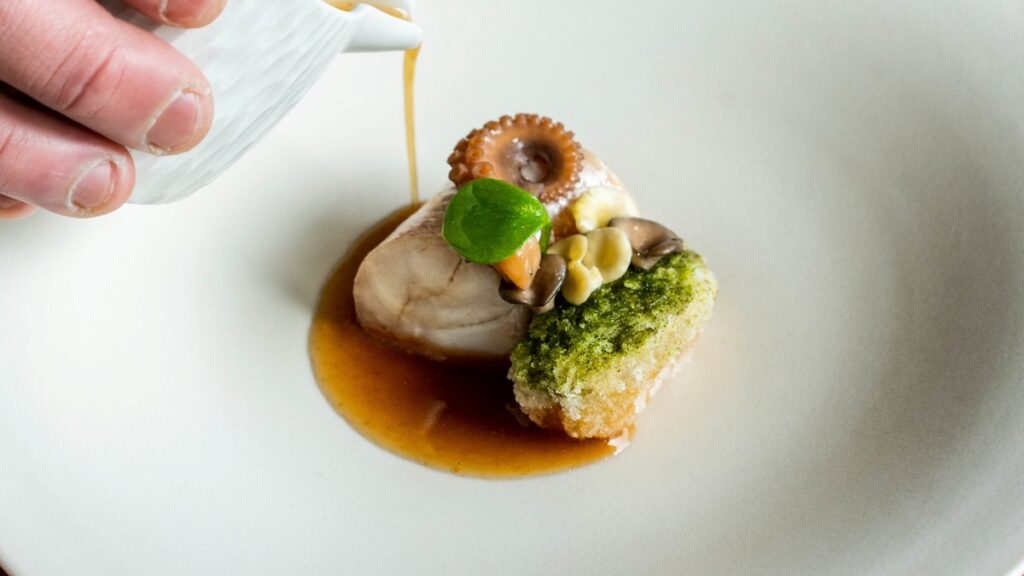
- The height of Korean cuisine: Mingles (three stars), and Kwonsooksoo and La Yeon (two stars each).
- Rising names: Mosu, promoted to two stars in 2026, and Sosuheon, a sushi counter newly awarded two stars.
- Vegetarian: Légume, a one-star vegan restaurant, shows that a vegetarian family can enjoy a MICHELIN tasting menu too. For something more casual, the vegan noodle bar Gosari Express received a MICHELIN Green Star in 2026.
Vegetarian Travelers
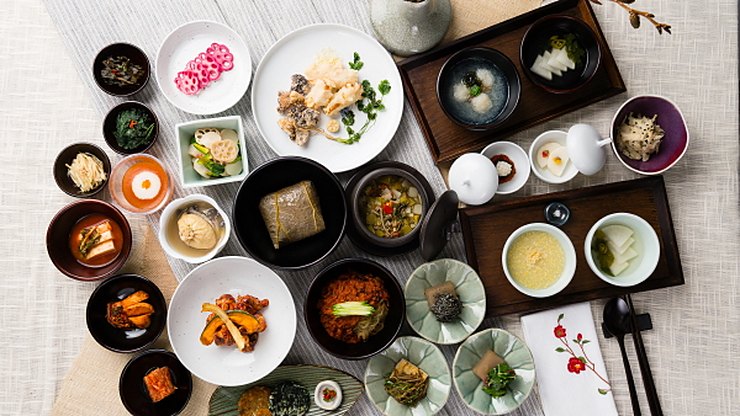
Korean temple cuisine traditionally avoids garlic, onion and other pungent vegetables.
- Bium (Cheongdam): Korean courses shaped by temple-cuisine training, prepared without pungent vegetables.
- Balwoo Gongyang (Jongno): a temple-cuisine restaurant run directly by the Jogye Order of Korean Buddhism, where every table is in a private room, ideal for family meals.
- Saravanaa Bhavan Seoul (Itaewon): a pure-vegetarian Indian restaurant.
Hanwoo beef courses are common, so let us know in advance if you would prefer no beef.
Culture: Palaces, Hanok and Craft
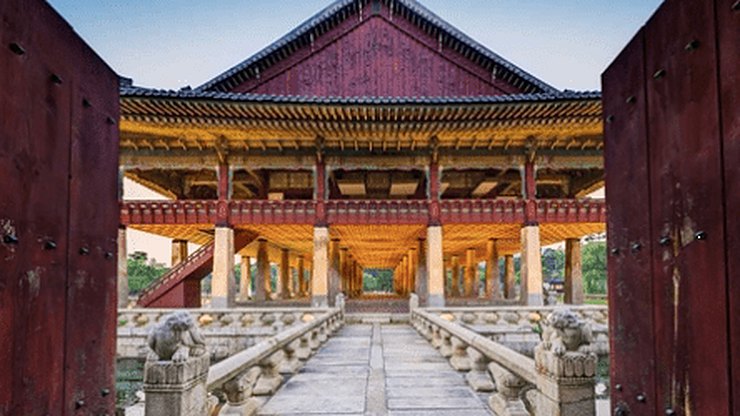
Gyeongbokgung Palace in the early morning, the hanok lanes of Bukchon and a private session with a master craftsperson are all at their best before the crowds arrive. Small-group programs such as the night tours of Changdeokgung Palace sell out quickly, so plan ahead.
Shop: Personal Shopping
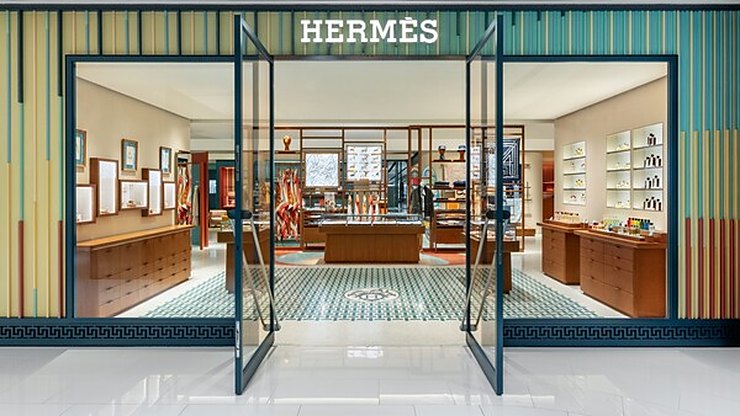
Seoul’s leading department stores run VIP lounges and personal shopper services for international guests. K-beauty, Korean designer labels and duty-free shopping fit comfortably into a single day.
Unwind: Spa and Wellness
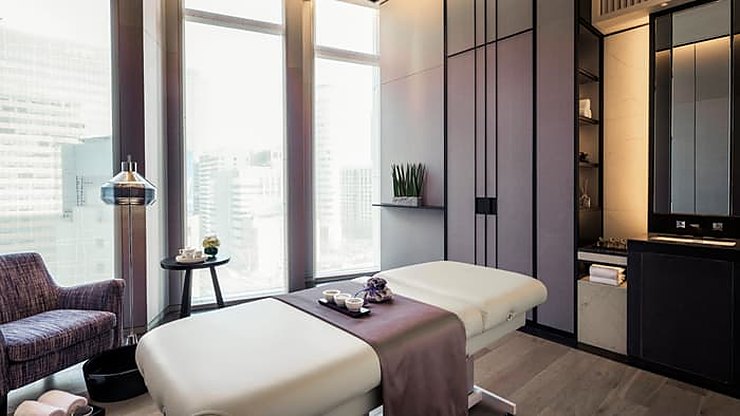
Hotel spas and Korean-style saunas are the ideal remedy after a long flight. For a quieter day, a temple stay at a mountain monastery offers a different kind of rest.
When to Go: A Seasonal Calendar for Korea Luxury Travel
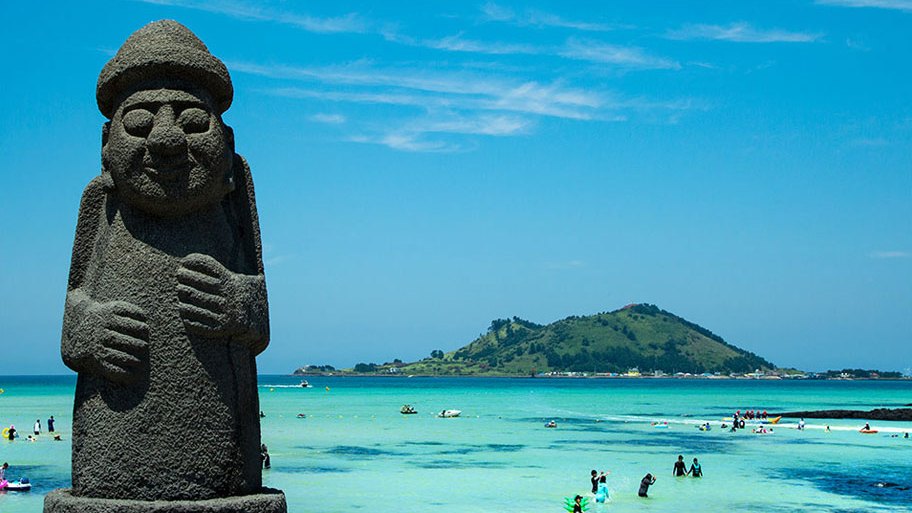
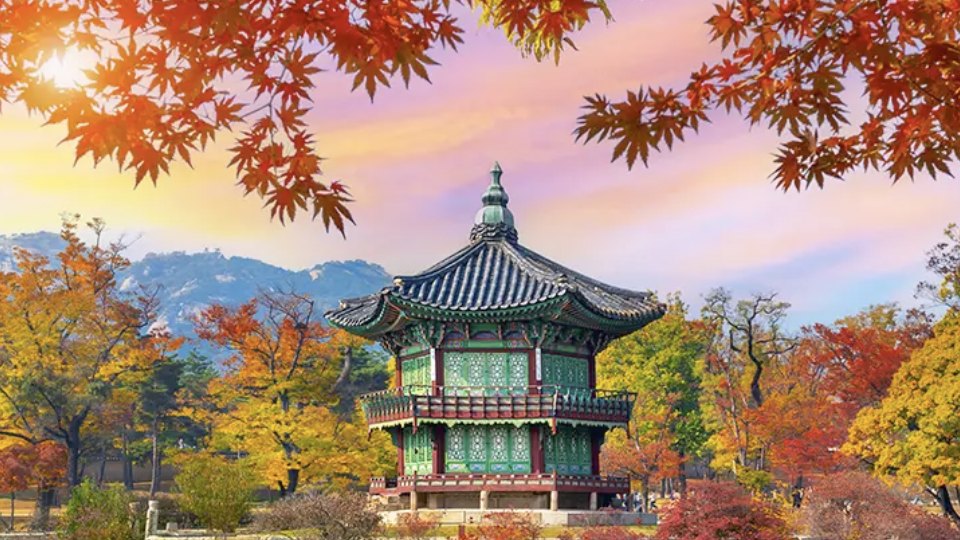
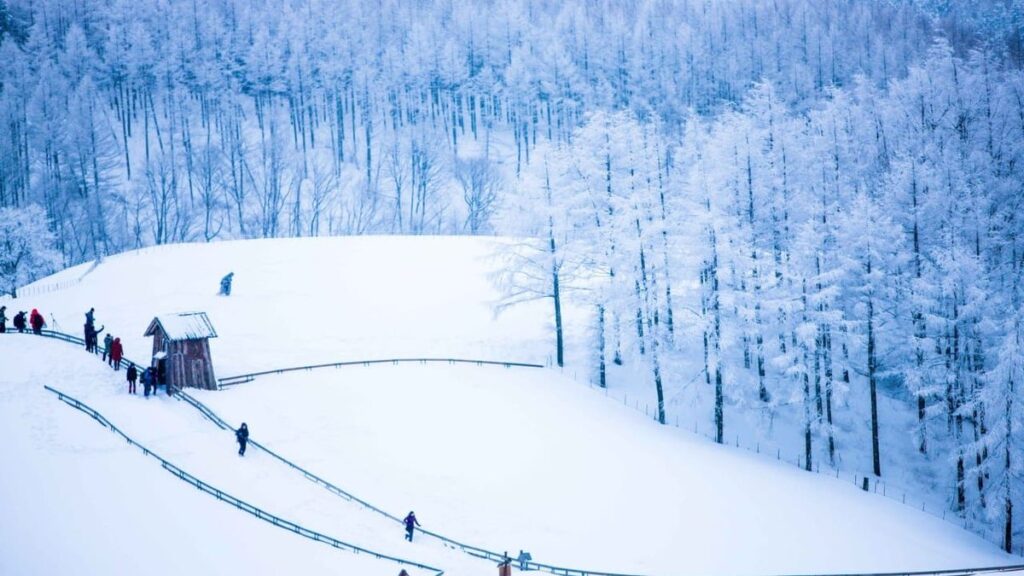
Korea has four distinct seasons, and each suits a different kind of trip.
- Spring (April–May): Cherry blossoms usually appear in early April.
- Summer (July–August): Hot and humid, with a monsoon season, so plan indoor-focused days.
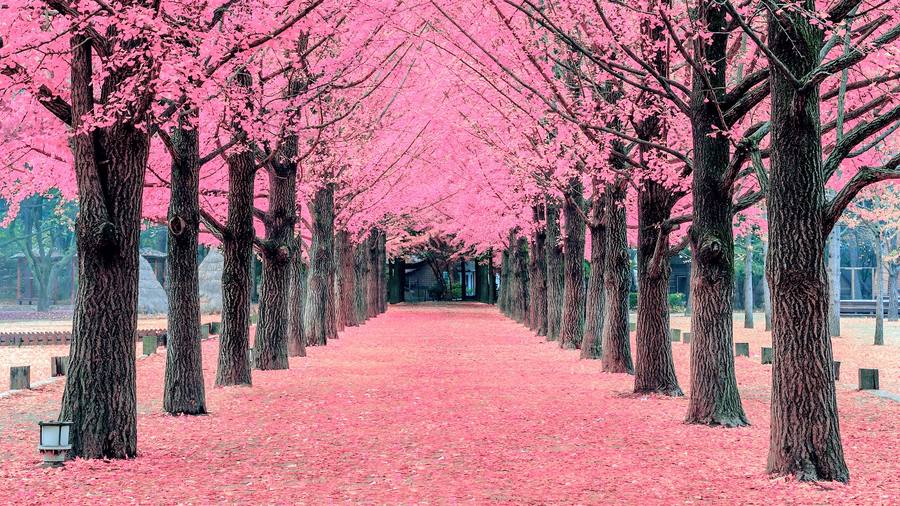
- Autumn (September–November): Crisp air, clear skies and autumn foliage.
- Winter (December–February): Snow, skiing and festive lights, with milder weather in Busan and Jeju.
What Korea Luxury Travel Costs in 2026
The figures below are typical 2026 rates for Korea luxury travel booked directly, and they change with the season and booking conditions.
- Entry-level rooms at Seoul’s top hotels: roughly USD 340–830 per night, or roughly USD 2,400–5,800 for a seven-night stay. Suites are priced separately.
- How that breaks down: published 2026 rates started from about USD 340 on weekdays for a Business Deluxe room at The Shilla Seoul, ran from about USD 480–570 for a Deluxe room with breakfast at Four Seasons Hotel Seoul, and were about USD 790–830 for a Premier breakfast package at Signiel Seoul.
- MICHELIN-starred dinner: around USD 220 per person at the leading tasting-menu restaurants.
- Private car and chauffeur, dedicated guide and interpreter, and business-class flights: these depend on your dates, vehicle and hours, so we price them within your itinerary.
Dollar figures are converted from Korean won at September 2026 exchange rates (USD 1 ≈ KRW 1,360), so they will move with currency markets.
Partner rates: the same stay for less through CareToKorea
The prices above are what travelers typically pay when they book on their own. When you book through CareToKorea, our partner rates apply, so you enjoy the same room, the same table and the same service for less.
Your written estimate shows the partner rate for every hotel, restaurant and service in your itinerary before you travel.
Partner rates vary by partner, season and availability.
You receive a single written estimate before you travel — no hidden fees.
7 Days in Korea, the Rest Is for You
Think of this as a frame rather than a fixed tour. The core of a first Korea luxury travel itinerary fits into seven days:
- Day 1: Arrive at Incheon, take a private transfer to your hotel and rest.
- Day 2: Royal palaces and the hanok lanes of Bukchon, followed by a MICHELIN dinner.
- Day 3: Personal shopping and K-beauty in Gangnam, then the hotel spa.
- Day 4: A health check-up or a skin consultation. A basic check-up takes the morning and leaves the afternoon for rest. For a comprehensive check-up, keep the whole day free and follow the dietary preparation the evening before.
- Day 5: Take the KTX to Busan or a short flight to Jeju, and check into a sea-view hotel.
- Day 6: Coastal drives, a yacht outing and a visit to a mountain temple.
- Day 7: Fly home via Seoul.
Make It Yours
Seven days is only the frame. How long you stay and what you do is up to your family.
- A comprehensive check-up takes most of a day, and some top-tier programs run over two days with an overnight stay. Stay a few days longer and you can review your results in person in Seoul.
- Add the ancient capital of Gyeongju, winter skiing, a check-up for your spouse or a family photo shoot.
- For more ideas, explore our Premium Travel guides.
Practical Notes for International Travelers
- Visa: Entry rules differ by nationality. Some passports can enter without a visa and may need a K-ETA; others need a visa, and tourism falls under the short-term visit visa (C-3-9). Check the official K-ETA website (k-eta.go.kr), HiKorea (hikorea.go.kr) or the Korean embassy or consulate in your country. Most foreign visitors also complete an e-Arrival Card within three days before arrival; valid K-ETA holders are exempt. If you plan a longer stay for medical care, a medical visa (C-3-3) is also available; our health check-up guide below explains it.
- Flights and time difference: Flight time and time difference depend on where you start. On longer routes, some families prefer a one-night stopover.
- Food: See the vegetarian notes above, and check in advance whether your hotel’s in-room dining can meet your dietary needs.
- Money and clothing: Cards are widely accepted, but carry a little cash for small purchases. The seasons differ sharply, so pack proper warm clothing for winter.
Add a Health Check-up or Skin Treatment
How long a health check-up takes depends on the program.
- Basic check-up: about half a day, usually a morning.
- Comprehensive or premium check-up: most of a day when endoscopy, CT or MRI is included. Some university hospitals run top-tier programs over two days with an overnight stay.
- Colonoscopy: requires dietary preparation and bowel cleansing from the day before.
- Sedated endoscopy: you will need a companion afterwards.
- Results consultation: scheduled separately.
At Seoul National University Hospital Healthcare System Gangnam Center, a basic program takes roughly half a day and a comprehensive program most of a day. Read more in our Korea health check-up guide. You can also enjoy a glass-skin treatment at a Gangnam dermatology clinic and continue with your vacation; our Korean skin treatment guide explains the options.
How CareToKorea Arranges It
- Start with an email. We listen to how long you want to stay, your dietary needs and the experiences you have in mind.
- Your itinerary and written estimate. You receive a single written estimate before you travel, with our partner rates already applied.
- Bookings and coordination. We coordinate hotels, restaurants and vehicles with registered local partners.
- Support on the ground. In Korea you have interpreting support and a 24-hour contact.
Learn more about who we are. For details on check-ups and skin treatments, see the two guides linked above.
Frequently Asked Questions
How many days do we need?
Six to seven days covers the essentials of Korea luxury travel, and most families stay eight to ten. The length is entirely up to you.
Can we eat vegetarian food?
Yes. Seoul has a MICHELIN-starred vegan restaurant and temple cuisine made without pungent vegetables, and we arrange your meals at the booking stage.
When is the best time to visit?
Spring and autumn are the easiest seasons, and winter suits families who want snow. Choose the season that matches your vacation time.
Can we add a health check-up?
Yes. A basic check-up takes half a day and a comprehensive one most of a day, while some top-tier programs run over two days. We plan the whole trip around your program and your results consultation.
Start Planning Your Korea Luxury Travel
Tell us your preferred season, who is traveling and your dietary needs, and we will send you a Korea luxury travel itinerary with a written estimate at our partner rates.
Featured image: Lotte World Tower, Seoul. Photo: Korea Tourism Organization.
This article is for general information only and does not constitute medical advice. Program contents, visa rules and hospital policies change; we confirm current details for every client before booking.
1 thought on “Korea Luxury Travel Guide for Families (2026): Where to Stay, What to Experience and When to Go”
Comments are closed.